
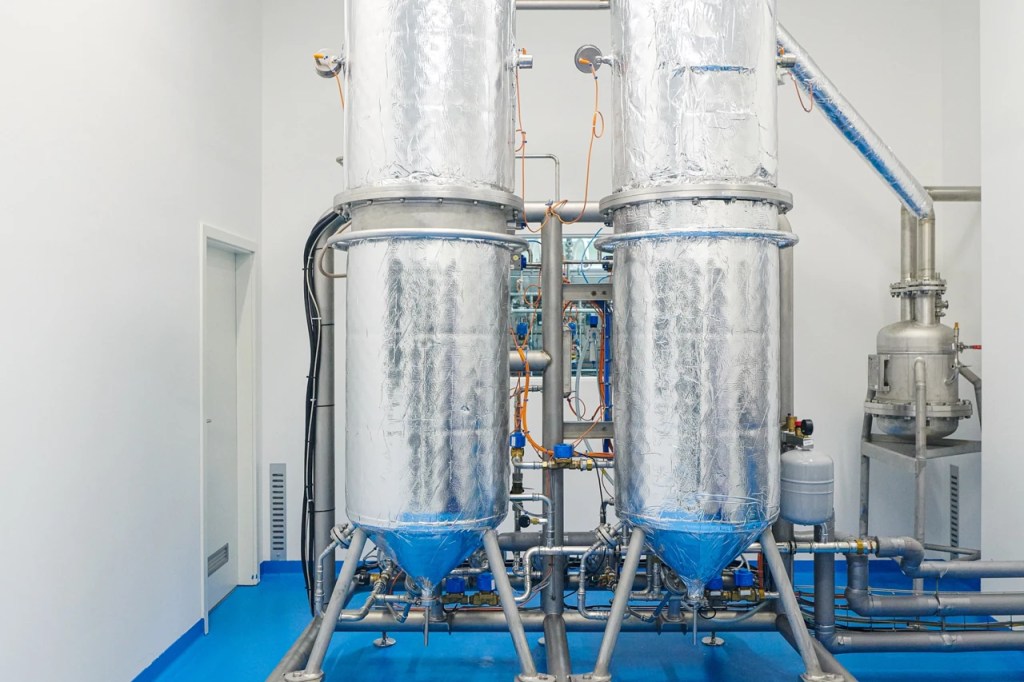
Food and Pharma-Grade Extraction Methods: A Comprehensive Guide
Extraction methods are pivotal in isolating bioactive compounds from plants, ensuring their safety, efficiency, and compliance with food and pharmaceutical standards. Each technique caters to specific compounds, processing requirements, and industry applications. Below is an overview of key extraction methods used in the food and pharma industries, categorized by their principles and applications.
1. Solvent-Based Extraction
Description: Utilizes solvents to dissolve bioactive compounds, with processes tailored to the solvent’s chemical properties.
- Hydroalcoholic Extraction
Solvent: Water + ethanol
Applications: Extracting polyphenols, alkaloids, and flavonoids for nutraceuticals and functional foods. - Supercritical Fluid Extraction (SFE)
Solvent: CO₂ in supercritical phase
Advantages: High selectivity, solvent-free, and eco-friendly
Applications: Essential oils, lipids, and bioactives for pharma. - Organic Solvent Extraction
Solvent: Methanol, hexane, or chloroform
Applications: Lipophilic compounds (e.g., carotenoids, terpenes)
Consideration: Compliance with regulatory limits on solvent residues.
2. Non-Solvent-Based Extraction
Description: Physical or chemical processes that do not require external solvents.
- Steam Distillation
Process: Volatilizes plant compounds using steam
Applications: Essential oils such as eucalyptus or lavender. - Cold Pressing
Process: Physically presses plant materials for oils
Applications: Citrus and seed oils (e.g., orange, lemon). - Freeze-Drying (Lyophilization)
Process: Preserves plant material by freezing and sublimating moisture
Applications: High-quality extracts for pharma and dietary supplements.
3. Advanced Extraction Techniques
Description: Employs modern technology to enhance efficiency and yield.
- Ultrasound-Assisted Extraction (UAE)
Process: Ultrasonic waves disrupt cell walls, releasing bioactives
Applications: Flavonoids, antioxidants, and alkaloids. - Microwave-Assisted Extraction (MAE)
Process: Microwaves heat plant material to enhance solubility
Applications: Polyphenols, antioxidants, and volatile compounds. - Enzyme-Assisted Extraction (EAE)
Process: Enzymes degrade cell walls for efficient compound release
Applications: Polysaccharides, proteins, and bioactives. - High-Pressure Extraction
Process: High pressure breaks down cell structures for extraction
Applications: High-purity bioactives for food and pharma industries.
4. Green and Sustainable Extraction
Description: Focuses on minimizing environmental impact.
- Water-Based Extraction
Process: Uses water, sometimes heated or pH-modified
Applications: Extracting polysaccharides, saponins, and proteins. - Deep Eutectic Solvent (DES) Extraction
Process: Natural, biodegradable solvents enhance bioactive solubility
Applications: Phenolics, terpenes, and alkaloids. - Natural Solvent Systems
Process: Sustainable ethanol or glycerol
Applications: Food-grade flavors, fragrances, and nutraceuticals.
5. Chromatographic Techniques (Pharma-Specific)
Description: Designed for isolating and purifying bioactives to pharmaceutical-grade standards.
- Liquid Chromatography (LC)
Process: Separates compounds by polarity and solubility
Applications: APIs (active pharmaceutical ingredients). - High-Performance Liquid Chromatography (HPLC)
Process: High-pressure LC for precise purification
Applications: Pharma-grade alkaloids, glycosides. - Supercritical Fluid Chromatography (SFC)
Process: Combines chromatography with supercritical CO₂
Applications: Highly selective extraction of APIs.
6. Fermentation-Assisted Extraction
Description: Employs microbial processes to transform and release bioactives.
Applications: Fermented alkaloids, antioxidants, and probiotics for functional foods and pharma.
Comparison Table of Extraction Methods
| Extraction Method | Advantages | Disadvantages | Applications |
|---|---|---|---|
| Supercritical CO₂ | Solvent-free, high purity | High equipment costs | Essential oils, lipids |
| Ultrasound-Assisted (UAE) | Fast, efficient, low solvent usage | Limited scalability | Phenolics, antioxidants |
| Steam Distillation | Simple, widely used | Limited to volatile compounds | Essential oils |
| Microwave-Assisted (MAE) | Time-efficient, high yields | Potential thermal degradation | Polyphenols, bioactives |
| Enzyme-Assisted (EAE) | Eco-friendly, targeted | High enzyme costs | Polysaccharides, proteins |
| Freeze-Drying | Preserves bioactivity | Energy-intensive | High-quality supplements |
| HPLC | Precise, pharma-grade | Expensive and complex | Pharmaceuticals, APIs |
Conclusio
Selecting the appropriate extraction method depends on the target compound, desired purity, and end-use application. Advances in technology and sustainable practices continue to shape the landscape of botanical extractions, making processes more efficient and environmentally friendly.

 Phytonext